
No More Commingling: What Sellers Must Know to Protect Their Brand and Boost Sales
Thursday, February 19, 2026
If you're selling on Amazon, March 31, 2026 marks a turning point you can't afford to ignore.
After years of seller complaints, Amazon is officially ending its commingling program—a decision that will fundamentally change how inventory is managed and how brands protect their products.
In this guide, we'll break down exactly what's changing, why it matters, and how you can turn this shift into a competitive advantage in 2026.
What Is Amazon’s Commingling Program?
Amazon's commingling program was designed to optimize warehouse efficiency. When multiple sellers offered the same product (identified by the same manufacturer barcode), Amazon would pool all units together in its fulfillment centers.

When a customer ordered that product, Amazon would ship whichever unit was closest—regardless of which seller it came from.
This system created serious risks for brand owners:
- Counterfeit products from dishonest sellers could mix with your inventory
- Damaged or defective items from other sellers could be shipped to your customers
- Negative reviews appeared on your listing for products you never sent
- Returns and complaints hurt your seller metrics even when you weren't at fault
To avoid these issues, many sellers spent heavily on "re-stickering"—applying Amazon's FNSKU labels to every unit to keep their inventory separate. According to Amazon, brand owners spent over $600 million in just one year on this workaround alone.
Why It's Ending Now?
Amazon's logistics network has evolved. Products can now reach customers quickly without pooled inventory, and more sellers are brand owners who want control over their product quality.
The company is phasing out commingling to improve marketplace integrity, reduce counterfeit risks, and restore trust.
Starting March 31, 2026, the commingling program will be completely discontinued.
How the End of Commingling Changes Inventory Management
For Brand Owners (With Brand Registry)
If you're enrolled in Amazon Brand Registry with the Brand Representative role, you'll gain significant flexibility:
- No more FNSKU stickers required for items with manufacturer barcodes
- Use your manufacturer barcode without worrying about commingling
- Simplified inventory management across multiple sales channels
- Lower fulfillment prep costs by eliminating unnecessary labeling
This change means you can send inventory to Amazon faster, reduce prep expenses, and maintain tighter control over your products.
For Resellers (Without Brand Registry)
If you're selling products you don't own the brand rights to, the requirements are stricter:
- Amazon barcode labels (FNSKU) are now required for all FBA inventory, even if the product has a manufacturer barcode
- Products without manufacturer barcodes will require Amazon stickers for all sellers
- Proper labeling is non-negotiable to ensure compliance and avoid inventory delays
This change is designed to increase accountability and reduce the number of counterfeit or unauthorized products entering the marketplace.
5 Steps to Prepare for the End of Commingling
1. Review Your Current Inventory Setup
Check whether your products are currently commingled or labeled with FNSKU barcodes.
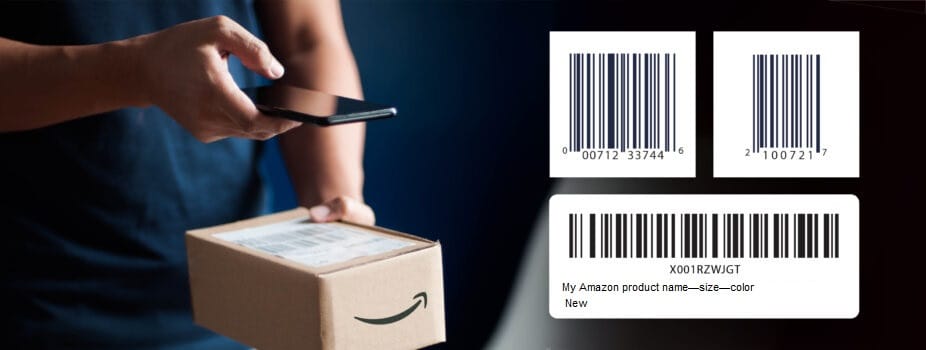
If you've been relying on manufacturer barcodes without Brand Registry, you'll need to adjust your labeling process immediately.
2. Enroll in Amazon Brand Registry (If You're a Brand Owner)
If you own your brand but aren't enrolled in Brand Registry, now is the time. Brand Registry gives you:
- Protection from commingling issues
- The ability to use manufacturer barcodes without re-stickering
- Access to enhanced brand protection tools
- Control over your product listings
Enrollment requires a registered trademark, but the long-term benefits far outweigh the initial investment.
3. Update Your Labeling Process
For resellers and unregistered sellers, update your FBA prep process to include Amazon barcode stickers. Ensure your team or prep center is trained on the new requirements to avoid delays or compliance issues.
4. Audit Your Listings for Counterfeit Risk
With commingling ending, it's a perfect time to clean up your listings. Look for:
- Unauthorized sellers offering your products
- Listings with inconsistent product details or images
- Customer complaints mentioning counterfeit or damaged products
Use Amazon's ‘Report a Violation’ tool to remove unauthorized sellers and protect your brand.
5. Strengthen Your Brand Protection Strategy
Beyond labeling, take proactive steps to safeguard your brand in 2026:
- Monitor your listings regularly for hijackers
- Use Amazon Transparency codes for added authentication
- Invest in high-quality packaging to reduce damage during fulfillment
- Build a strong review base with authentic customer feedback
The end of commingling is just one piece of a larger brand protection strategy.
Why This Change Is a Turning Point for Sellers
While the end of commingling requires upfront adjustments, the long-term benefits are significant.
1. Improved Product Authenticity: No more mixing your inventory with unknown sellers.
Customers receive the exact product you sent, reducing counterfeit complaints and protecting your brand reputation.
2. Better control over customer experience: When your inventory stays separate, you control the quality of what reaches your customers.
This means fewer returns, better reviews, and stronger metrics.
3. Cost savings for brand owners: Eliminating the need for FNSKU re-stickering saves brand owners millions collectively.
Those resources can now be reinvested in inventory, marketing, or product development.
4. Stronger marketplace trust: As counterfeit risks decrease and product authenticity improves, customer confidence in Amazon grows.
This benefits all sellers who prioritize quality and compliance.
Conclusion
The end of commingling is part of a broader shift toward a more accountable, brand-focused marketplace. Amazon is prioritizing:
- Stronger brand protection through tools like Brand Registry and Transparency
- Improved customer trust by reducing counterfeit risks
- Higher-quality seller standards to maintain marketplace integrity
Sellers who adapt quickly will gain a competitive edge. Those who delay risk falling behind as competitors strengthen their brand presence and customer loyalty.
Use Strategic PPC to Reinforce Your Brand as Commingling Ends
As commingling ends and brand authenticity becomes more transparent, this is the perfect moment to strengthen your brand presence through targeted advertising.
With competitors potentially exiting due to increased labeling costs and stricter accountability, well-optimized PPC campaigns can help you capture market share from resellers and position your authentic brand as the trusted choice.
Our team at intelliRANK can help you:
✅ Target branded keywords more aggressively
✅ Adjust bids to reflect the new competitive landscape
✅ Create campaigns that emphasize your product's authenticity and quality.
Ready to turn the end of commingling into your competitive advantage?
Then check out our Amazon PPC management services! 🚀
Share this article
Free for Amazon Sellers
Get the FREE 4-Step Amazon Growth Strategy
The exact framework used by 4,000+ Amazon brands to launch, optimize, and scale — yours free.